

Psoriasis
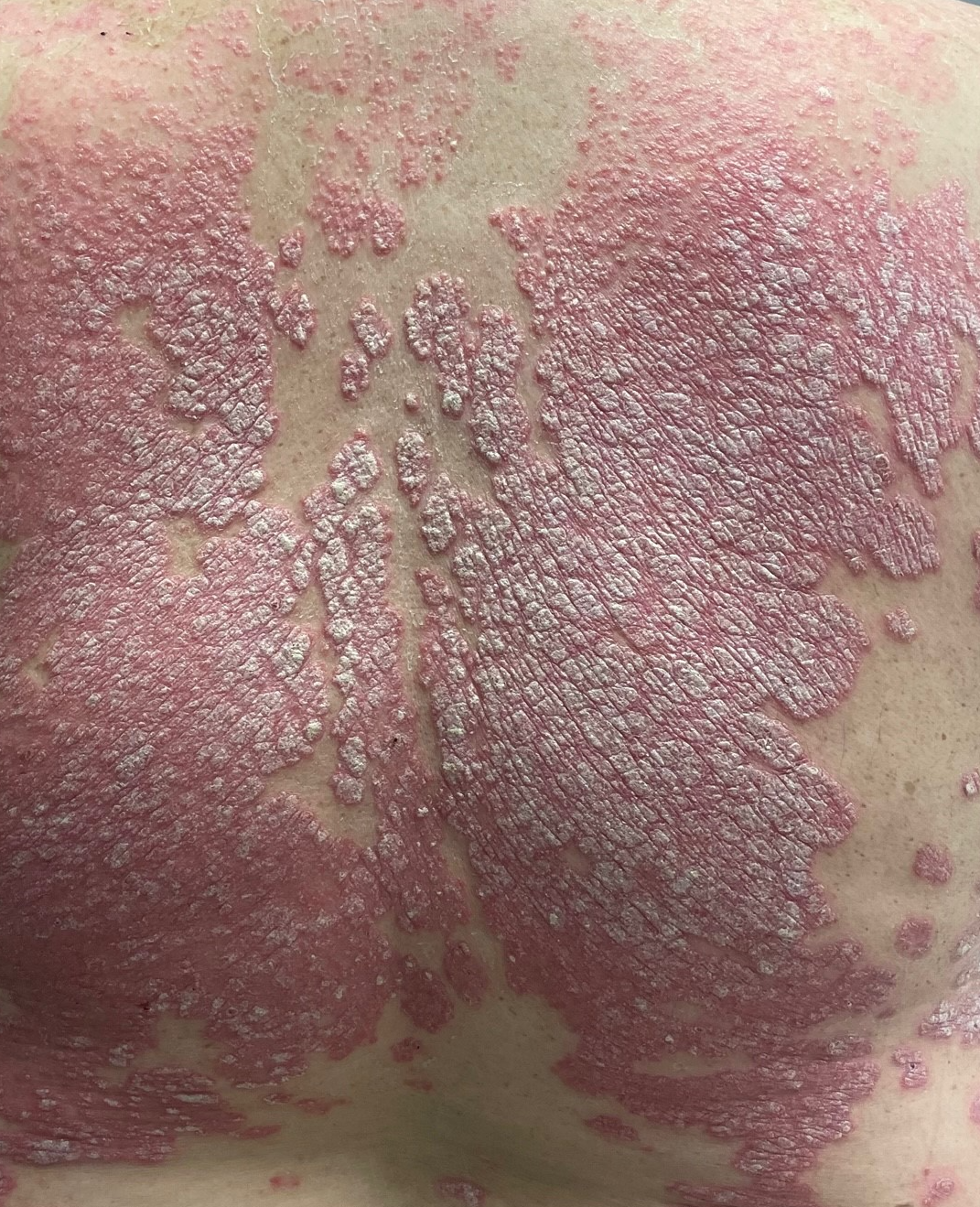
Psoriasis is a common, long-term inflammatory skin condition that affects around 2–3% of Australians. It develops because of an overactive immune system, causing skin cells to grow much faster than normal. Instead of renewing every month, the skin may turn over in just a few days, resulting in thickened, red, scaly plaques.
Although psoriasis is a lifelong condition, it is not contagious and cannot be passed from one person to another. Many people experience periods where their psoriasis improves, followed by flare-ups.
At Mermaid Beach Dermatology, our Specialist Dermatologists provide comprehensive assessment and access to the latest treatments, including advanced biologic therapies that can achieve excellent skin clearance for many patients.

About Psoriasis
Frequently Asked Questions
-
No. Psoriasis is not contagious and cannot be spread through touch, sharing towels, swimming pools or close contact with another person. It is an immune-mediated condition rather than an infection.
-
There is currently no permanent cure for psoriasis. However, modern treatments can control the disease extremely well, and many patients achieve long periods of clear or almost completely clear skin. Advances in biologic medications have revolutionised treatment for moderate to severe psoriasis.
-
Although both conditions cause red, inflamed skin, they are different diseases.
Psoriasis typically causes well-defined, thick plaques with silvery scale and is caused by an overactive immune response that speeds up skin cell growth.
Eczema usually causes dry, itchy skin with less distinct borders and is related to a weakened skin barrier and immune system dysfunction. The two conditions require different treatments, so an accurate diagnosis is important.
-
Yes. Emotional stress is a common trigger for psoriasis flare-ups. Managing stress through regular exercise, adequate sleep, mindfulness or other relaxation techniques may help reduce the frequency and severity of flares.
-
Psoriasis often runs in families. Having a close relative with psoriasis increases your risk of developing the condition, although not everyone with a family history will be affected.
-
Yes. Around one in three people with psoriasis develop psoriatic arthritis, which can cause joint pain, stiffness and swelling. Early diagnosis is important because prompt treatment can help prevent permanent joint damage.
-
There is no specific diet that cures psoriasis. However, maintaining a healthy weight, limiting alcohol intake and eating a balanced diet may improve overall health and can help some people achieve better disease control. If you are overweight, even modest weight loss may improve treatment outcomes.
-
Small amounts of natural sunlight can improve psoriasis in many people. However, too much sun exposure can cause sunburn, which may trigger new psoriasis plaques. Because sunlight is unpredictable, medically supervised phototherapy provides a safer and more controlled form of ultraviolet treatment. See more information about phototherapy here (link).
-
You should arrange an appointment if:
Your psoriasis is not controlled with pharmacy or GP treatments.
It is affecting your sleep, work or quality of life.
You have psoriasis on the face, scalp, hands, feet, nails or genital area.
You develop joint pain or morning stiffness.
You think you may benefit from phototherapy or advanced treatments such as biologic medications.
-
Biologic medications are usually considered for people with moderate to severe psoriasis, difficult-to-treat areas (such as the hands, feet or genital region), or psoriasis that has not responded adequately to topical treatments, phototherapy or traditional oral medications.
These medications target specific parts of the immune system and have dramatically improved outcomes for many patients, often resulting in near-complete or complete skin clearance while also improving symptoms of psoriatic arthritis.