

Nail Conditions
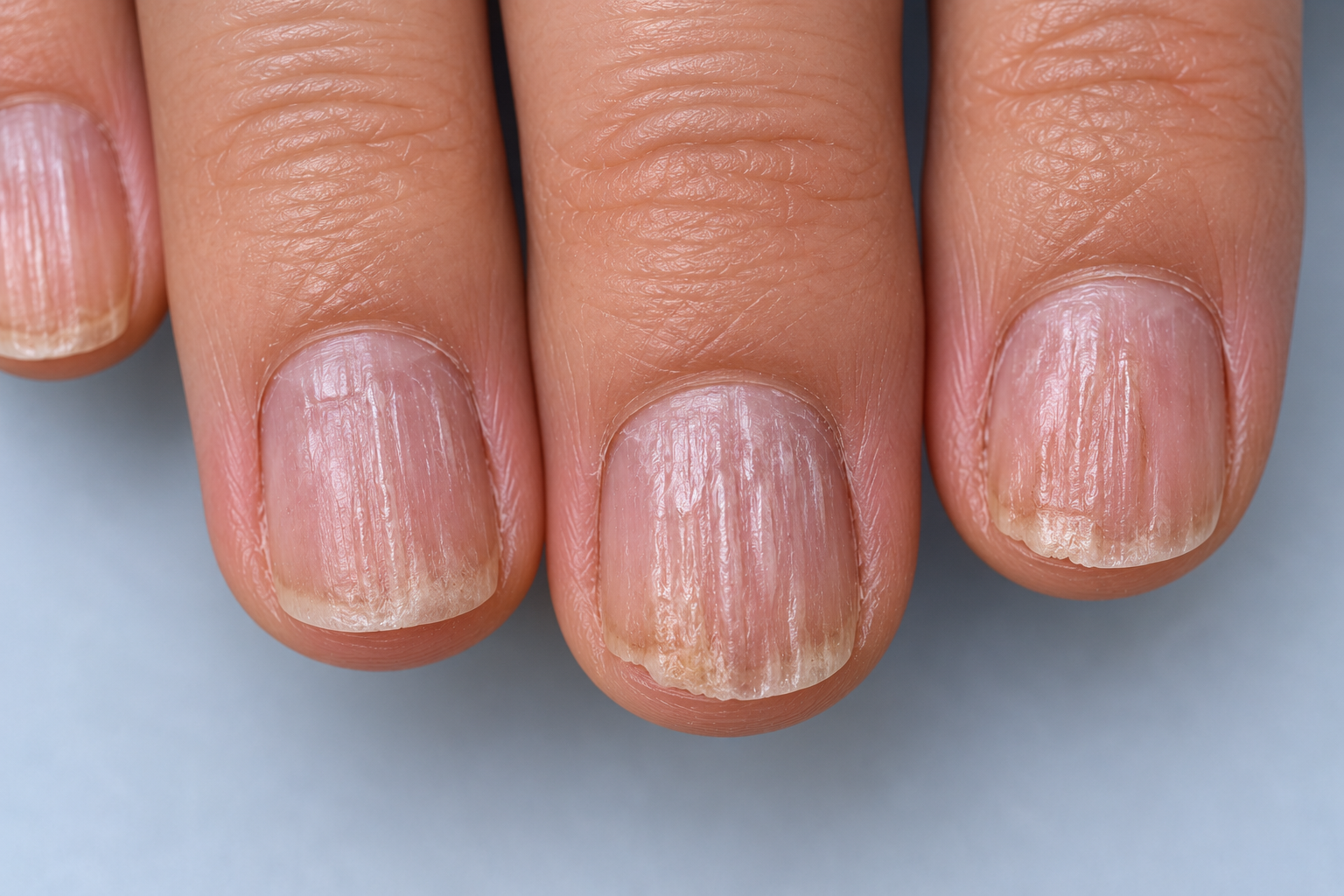
Changes to your fingernails or toenails can provide important clues about your overall health. Nail problems may result from skin diseases, infections, injury, autoimmune conditions or, in some cases, internal medical conditions.
At Mermaid Beach Dermatology, our Specialist Dermatologists diagnose and treat the full range of nail disorders. Early assessment is important, as many nail conditions can appear similar but require very different treatments.

About Nail Conditions
Frequently Asked Questions
-
The most common cause is a fungal nail infection, although psoriasis, repeated trauma and ageing can produce a similar appearance. An accurate diagnosis is important before starting treatment.
-
Because fingernails and toenails grow slowly, visible improvement usually takes several months. Toenails often require 9–18 months to completely grow out.
-
No. Many thickened nails are caused by psoriasis, trauma, eczema or other inflammatory conditions. Laboratory testing may be recommended before prescribing oral antifungal medication.
-
Yes. Although nail psoriasis can be difficult to treat, many effective treatments are available, including prescription topical medications, oral therapies and biologic medications for more severe disease.
-
A new or changing dark streak within a nail should always be assessed promptly by a Specialist Dermatologist. While many pigmented nail lesions are benign, some may represent subungual melanoma and require urgent investigation.
-
Yes, particularly if your nail changes are persistent, painful, worsening, involve only one nail, or have not improved with over-the-counter treatments. Early diagnosis often leads to more effective treatment and can occasionally identify serious underlying conditions.
-
Occasionally, a nail condition cannot be diagnosed by examination alone. In these situations, a nail biopsy may be recommended to help determine the underlying cause and guide the most appropriate treatment.
At Mermaid Beach Dermatology, we work with an experienced visiting surgeon who can perform nail biopsies when your Specialist Dermatologist considers this necessary. Nail biopsies are generally reserved for selected cases, such as persistent nail disorders, unexplained nail dystrophy, suspected inflammatory nail disease or when there is concern about a tumour or melanoma affecting the nail unit.
Your dermatologist will discuss whether a nail biopsy is appropriate, explain the procedure in detail and coordinate your care if further investigation is required.