

Female Pattern Hair Loss
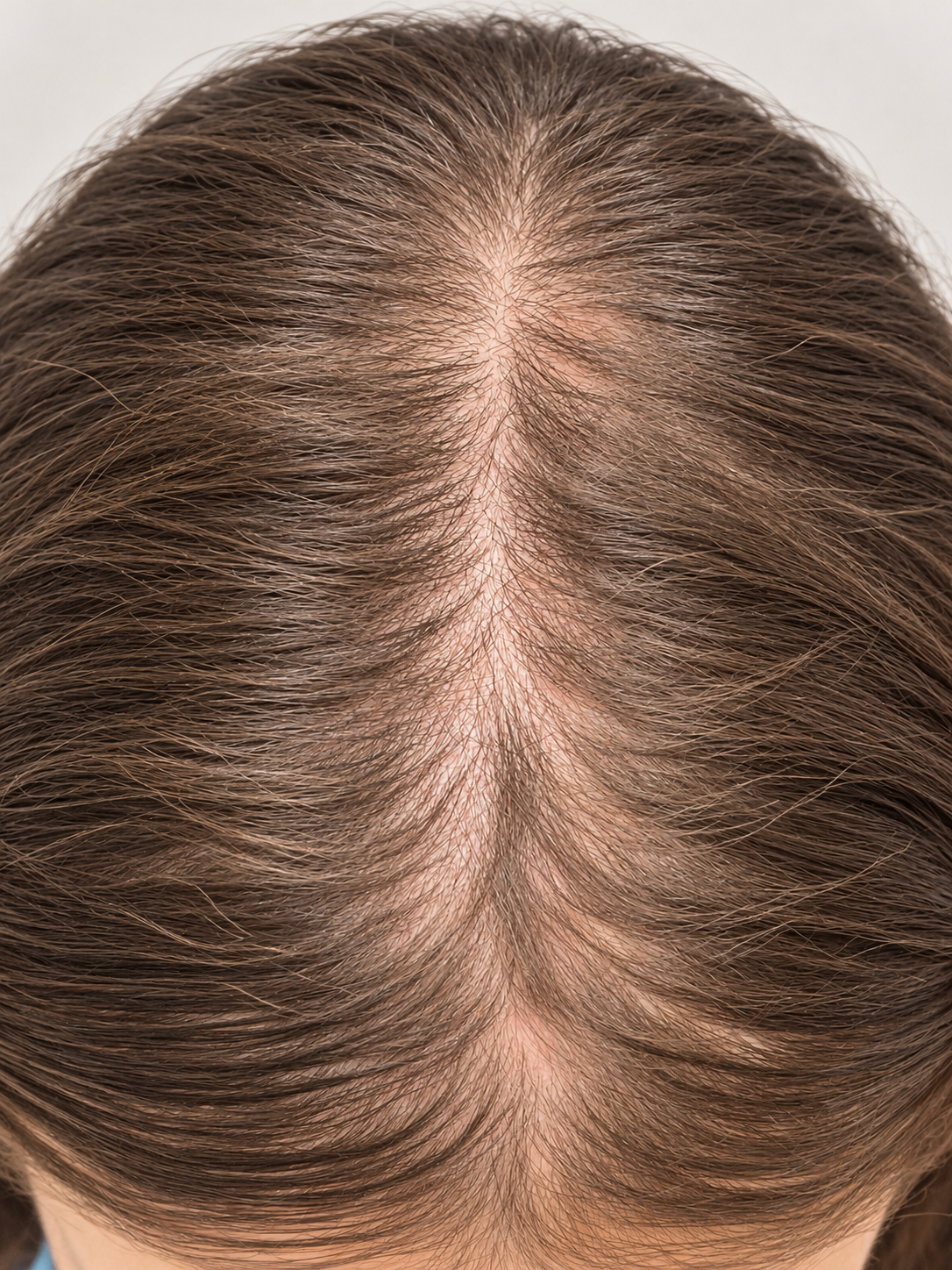
Female Pattern Hair Loss (FPHL), also known as female androgenetic alopecia, is the most common cause of progressive hair thinning in women. It affects millions of women worldwide and becomes increasingly common with age, particularly after menopause.
Unlike sudden hair loss, female pattern hair loss usually develops gradually over several years. Many women first notice that their ponytail feels thinner, their part line becomes wider, or more of their scalp is visible.
At Mermaid Beach Dermatology, our Specialist Dermatologists provide comprehensive assessment to identify the cause of hair loss and offer evidence-based treatments to slow progression, stimulate hair regrowth and improve hair density.
Early diagnosis and treatment offer the best opportunity to preserve existing hair.

About Female Pattern Hair Loss
Frequently Asked Questions
-
Female pattern hair loss is a chronic condition, but treatment can often slow progression and improve hair density. Early treatment offers the best chance of preserving existing hair.
-
No. Washing your hair does not cause female pattern hair loss. Hair that falls out during washing has already reached the end of its natural growth cycle.
-
Menopause does not directly cause female pattern hair loss, but hormonal changes around menopause often make inherited hair thinning more noticeable.
-
Yes. Iron deficiency can contribute to hair shedding and may occur alongside female pattern hair loss. Your dermatologist may recommend blood tests to assess for treatable causes of hair loss.
-
Hair colouring does not usually cause female pattern hair loss, although excessive bleaching or harsh chemical treatments may damage the hair shaft and lead to breakage.
-
You should arrange a consultation if you notice:
Gradual thinning of your hair.
A widening part line.
Increased scalp visibility.
Excessive hair shedding lasting longer than three months.
Hair loss associated with itching, redness or scalp scaling.
Hair loss that is affecting your confidence or quality of life.